


[ad_1]
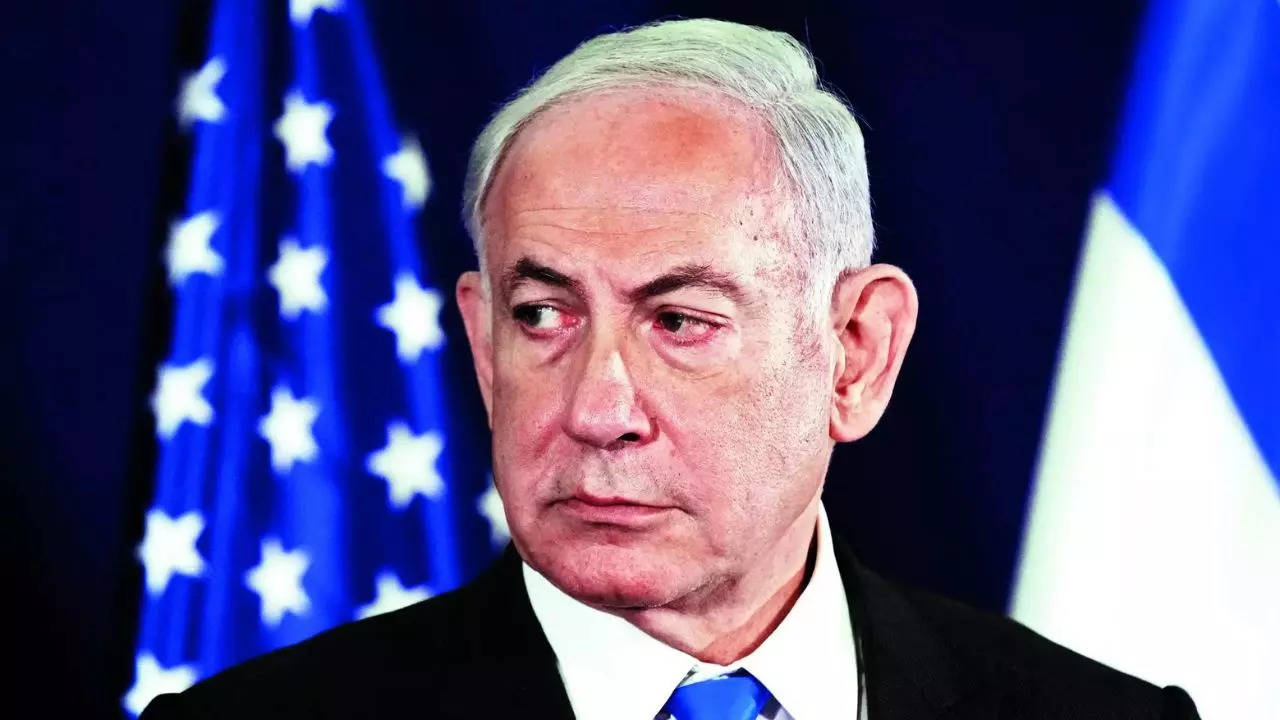
With Israel‘s war against Hamas costing the economy around $260 million every day, payouts to ultra-orthodox schools and other causes championed by right-wingers in the ruling coalition have set off a reckoning for PM Benjamin Netanyahu.
The conflict is taking a harrowing toll on lives. It’s also become more expensive for Israel than first predicted and is putting a strain on public finances.But it’s the controversial handouts that have set a national debate alight and kept markets on edge as FM Bezalel Smotrich prepares within days to unveil a new budget for what remains of 2023 and then present plans for next year.
Built into Israel’s expenditure program are so-called “coalition funds”, or discretionary spending earmarked to the five parties comprising Netanyahu’s government, the most religious in Israel’s history. A record 14 billion shekels ($3.6 billion) in transfers approved last May will partly go toward religious schools some exempt from teaching subjects like English and math. Other favoured projects include the development of Jewish settlements in the occupied West Bank.
Israeli assets from the shekel to bonds have recouped most if not all their losses from the aftermath of Hamas’s attack. But an aura of risk still hangs over the government’s debt.
The cost to insure Israeli sovereign bonds against a default is more than double what it was before the war began. And the risk premium, or spread, investors demand to hold Israeli dollar notes over US Treasuries remains about 25 basis points higher.
The unprecedented funding for religious programs and West Bank settlements was called into question long before the war upended the $520-billion economy, with critics warning it would suppress growth.
The conflict is taking a harrowing toll on lives. It’s also become more expensive for Israel than first predicted and is putting a strain on public finances.But it’s the controversial handouts that have set a national debate alight and kept markets on edge as FM Bezalel Smotrich prepares within days to unveil a new budget for what remains of 2023 and then present plans for next year.
Built into Israel’s expenditure program are so-called “coalition funds”, or discretionary spending earmarked to the five parties comprising Netanyahu’s government, the most religious in Israel’s history. A record 14 billion shekels ($3.6 billion) in transfers approved last May will partly go toward religious schools some exempt from teaching subjects like English and math. Other favoured projects include the development of Jewish settlements in the occupied West Bank.
Israeli assets from the shekel to bonds have recouped most if not all their losses from the aftermath of Hamas’s attack. But an aura of risk still hangs over the government’s debt.
The cost to insure Israeli sovereign bonds against a default is more than double what it was before the war began. And the risk premium, or spread, investors demand to hold Israeli dollar notes over US Treasuries remains about 25 basis points higher.
The unprecedented funding for religious programs and West Bank settlements was called into question long before the war upended the $520-billion economy, with critics warning it would suppress growth.
[ad_2]
Source link