


[ad_1]
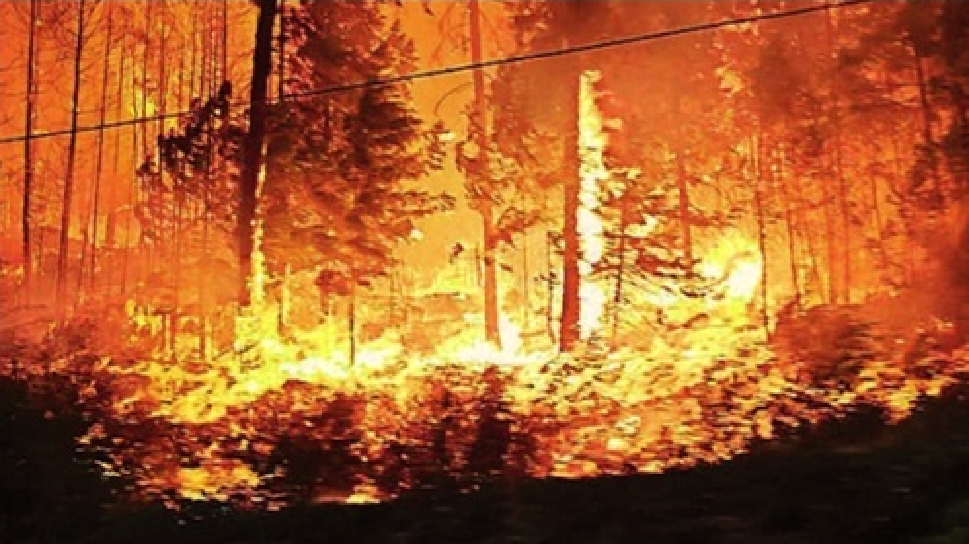
CANADA: Residents of western Canada scrambled to evacuate Saturday as raging wildfires encroached on two metropolitan areas – separate blazes that have sent tens of thousands fleeing over the course of just days.
The devastating fires in British Columbia and the Northwest Territories are just the latest in a summer of dramatic wildfires across the country that have left millions of acres scorched. According to estimates, 19,000 people were evacuated from Yellowknife, the Northwest Territories’ capital, over 48 hours, its environment minister Shane Thompson said late Friday. The city, home to some 20,000, was largely a ghost town following the largest ever evacuation from the region.
More than 2,000 kilometres south in British Columbia, fire also bore down on Kelowna, a city of 150,000 people in the Okanagan Valley. Thousands in the area were ordered evacuated or told late Thursday to be ready to leave at a moment’s notice, while those on the University of British Columbia’s Okanagan campus were ordered Friday to leave “immediately.”
Canada is experiencing a record-setting wildfire season, with official estimates of over 34.6 million acres already burned – almost twice the area of the last record of 7.3 million hectares. Four people have died so far. In addition, the fires have emitted an unprecedented amount of carbon dioxide. Scientists say human-caused global warming is exacerbating natural hazards, making them both more frequent and more deadly. afp
The devastating fires in British Columbia and the Northwest Territories are just the latest in a summer of dramatic wildfires across the country that have left millions of acres scorched. According to estimates, 19,000 people were evacuated from Yellowknife, the Northwest Territories’ capital, over 48 hours, its environment minister Shane Thompson said late Friday. The city, home to some 20,000, was largely a ghost town following the largest ever evacuation from the region.
More than 2,000 kilometres south in British Columbia, fire also bore down on Kelowna, a city of 150,000 people in the Okanagan Valley. Thousands in the area were ordered evacuated or told late Thursday to be ready to leave at a moment’s notice, while those on the University of British Columbia’s Okanagan campus were ordered Friday to leave “immediately.”
Canada is experiencing a record-setting wildfire season, with official estimates of over 34.6 million acres already burned – almost twice the area of the last record of 7.3 million hectares. Four people have died so far. In addition, the fires have emitted an unprecedented amount of carbon dioxide. Scientists say human-caused global warming is exacerbating natural hazards, making them both more frequent and more deadly. afp
[ad_2]
Source link